-
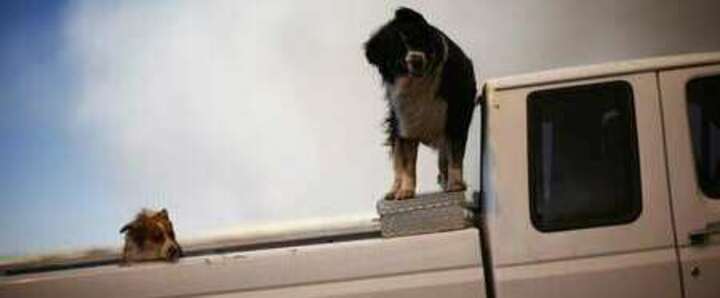 Stop allowing dogs to ride in the beds of pickup trucksBecause it saves dogs lives and encourages responsibility!! Numerous times I have seen dogs "hanging" over the sides of pickup beds, dangerously close to falling out. My sister told me that once she had actually seen a tethered dog fall out and get hung. I have seen numerous dead dogs on the sides of freeways and the only way this could happen is if they had fallen out of a pickup truck bed. That many loose dogs would not wander onto a freeway. People need to be less cavalier and more careful with their supposed treasured pets.268 of 300 SignaturesCreated by Sandy B.
 -
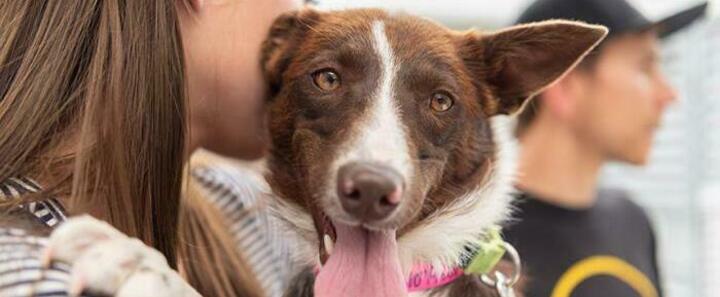 Tell insurance companies to stop discriminating against dog breedsTwo-thirds of American households include at least one cat or dog, which makes having a pet-inclusive place to call home essential for most Americans. Given the huge demand, one might think there would be enough pet-inclusive housing for renters. Unfortunately, housing-related issues are the second most common reason that families surrender a pet to an animal shelter. These housing issues may pertain to insurance issues, landlord restrictions, or limitations placed on the physical animal. Many rental and government-subsidized housing make it difficult to own a pet. Even properties that are "pet-friendly" might have pet weight limits, such as "no dogs over 25 lbs" or breed restrictions. When families are forced to choose between securing a place to live and keeping their family pets, they may see surrender as a last resort. As a trillion-dollar industry, the housing sector can be a positive influence in creating an inclusive and humane community. Additionally, more than 90% of housing providers and residents agree that pets are an important part of families. Welcoming all pets is good for business because residents stay significantly longer in housing that is pet inclusive (2). Expanding affordable and accessible pet-inclusive housing is necessary to ensure that families don’t have to choose between housing and valued members of their family. Let’s work together to end housing restrictions for pets and their families.208 of 300 SignaturesCreated by Stacey S.
 -
 No corten los fondos de nuestro refugioEl programa de vales proporciona a los miembros de la comunidad local y las mascotas los recursos que tanto necesitan. También reduce la cantidad de animales que ingresan al refugio y también disminuye la cantidad de mascotas que matan por esa razón. A través de este programa, los miembros de la comunidad de Midland tienen acceso a esterilización / castración asequible para sus perros y gatos. Esto les permite conservar la propiedad de sus mascotas mientras brindan atención médica y, en última instancia, mantienen baja la población animal callejera. Cortar estos fondos limita drásticamente las opciones para manejar poblaciones de animales callejeros en Midland, TX. Esto podría llevar a un aumento en la ingesta de refugios creando condiciones de hacinamiento y mayores tasas de eutanasia. Esto afectaría al personal del refugio y a los residentes locales que ya no tendrían acceso a los recursos para ayudar a crear soluciones a nivel comunitario.47 of 100 SignaturesCreated by Carol R.
-
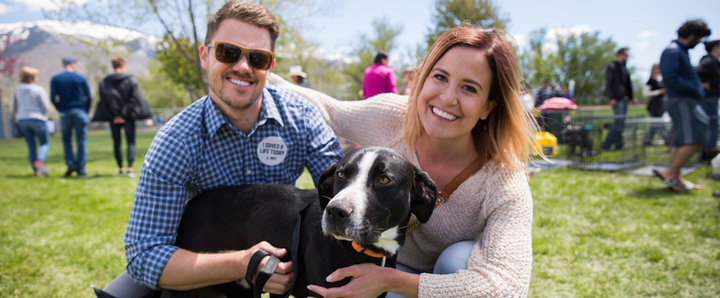 Apoya a las mascotas y a la gente de OdessaA veces, cuando desea generar un cambio en su comunidad, es difícil saber por dónde empezar. Trabajamos con defensores locales como usted para realizar cambios sostenibles que salven vidas mientras creamos un marco de apoyo para las mascotas de Odessa y las personas que se preocupan por ellas. Al unirse, se convierte en parte de un grupo motivado de personas que creen que todas las mascotas y las personas merecen compasión y que, cuando trabajamos juntos, podemos crear un cambio real para los perros y gatos necesitados.42 of 100 SignaturesCreated by Carol R.
-
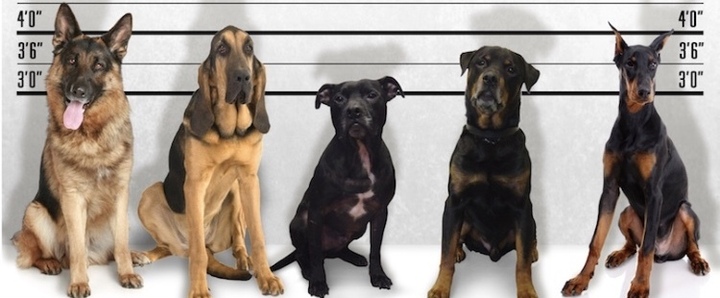 Dime of DogsPeople lose their homes for having certain breeds of dogs. Some of these dogs have to go to homes where they aren’t properly cared for. It’s important to understand that it isn’t the breed of dog that makes it vicious, it’s the owner. Just like children, all dogs are born into this world only learning what is taught to them. Dogs suffer too. They have no voice & can’t speak for themselves. It’s also important to realize that if the dog is in a loving home, that he or she is in a safe environment. People shouldn’t have to be discriminated against, because of their preference of dog. We should be able to live in peace with our beloved animals without fear of “conditioned leasing” and eviction.153 of 200 SignaturesCreated by Kisha R.
 -
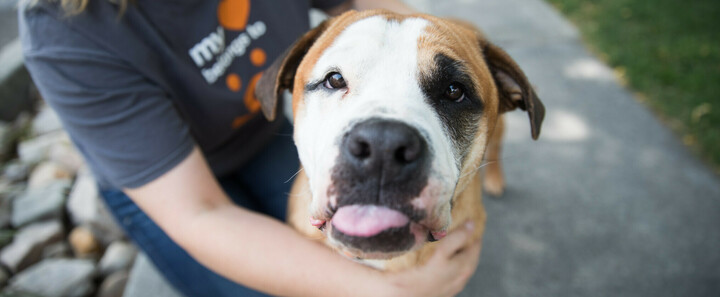 End Breed-Restrictive Insurance Practices in TexasThere is a wide range of dogs falling within the category of “risk” breeds according to some insurance companies including Boxers, Giant Schnauzers, German Shepherds, Chows, Great Danes, Alaskan Malamutes, American Staffordshire Terriers, Akitas, Cane Corsos, American Bulldogs, Belgian Malinois, Keeshonds, Rhodesian Ridgebacks, Ovtcharkas, Siberian Huskies, Dobermans, Pit Bulls, Dalmatians, Rottweilers, Australian Cattle dogs and more. The National Association of Insurance Commissioners [NAIC] should protect pet-owning consumers. Insurance companies should focus on the behavior of the dog. Dogs with aggressive behavior should not be protected by any moratorium. This is important because dogs are viewed by the vast majority of Americans as part of the family, and the ability for people to keep families together should be protected. Breed-restrictive insurance practices can force responsible pet owners to give up their pets and increase the number of pets in shelters. The likelihood a dog will bite is based on many factors such as socialization of the dog, obedience training, supervision provided by the owner, and how the victim interacts with the dog. It has not been proven by scientific evidence that aggressive behavior is present in any particular breed of dog. Insurance companies that want to reduce risk should focus solely on behavior of the dog and the behavior of the owner.1,771 of 2,000 SignaturesCreated by Ledy V.
 -
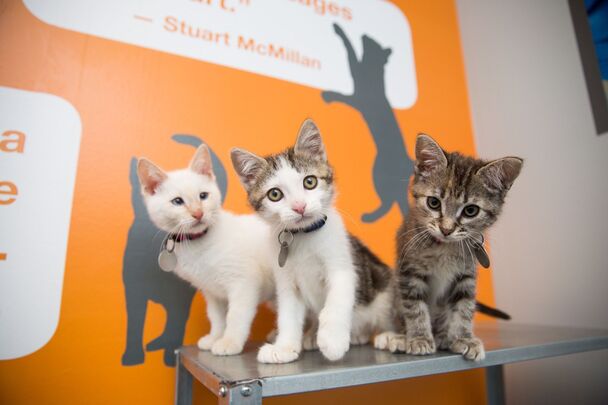 Tell Provo City Council: Support Lifesaving Programs for CatsTrap-Neuter-Return is an animal-friendly, veterinarian-approved, and cost-effective method for keeping free-roaming cats safe, healthy, and out of shelters while reducing their numbers over time. The cats are humanely trapped then sterilized and vaccinated before being returned to the place where they were found. And these programs are already working around the country. Community cat programs utilize trap-neuter-return (TNR) which is an animal-friendly, veterinarian-approved, and cost-effective method for keeping free-roaming cats safe, healthy, and out of shelters  while reducing their numbers over time. The cats are humanely trapped then sterilized and vaccinated before being returned to the place where they were found. Lifesaving programs like these are proven to be the most cost-effective, veterinarian-approved, and animal-friendly solution for controlling and reducing free-roaming cat populations. Rally your community to expand resources to keep people and pets safe and healthy by advocating for lifesaving programs throughout your state. Your voice is a critical part of ensuring that pets and people have access to positive programs and resources. Become part of a driven and diverse group of people who believe that all pets and people deserve compassion, and that -- when we work together -- we can create real change for pets in need.666 of 800 SignaturesCreated by Stella maris R.
 -
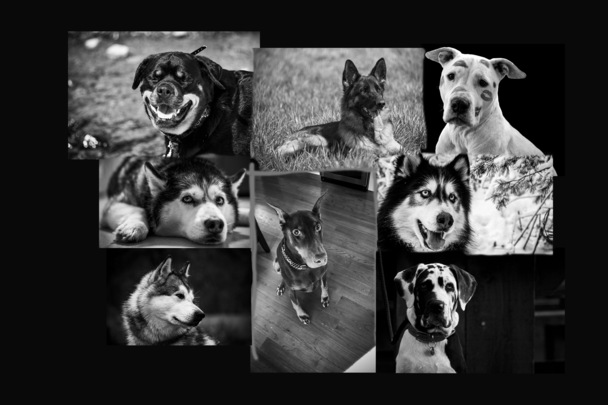.jpg) End Breed-Restrictive Insurance Practices in IllinoisThere is a wide range of dogs falling within the category of “risk” breeds according to some insurance companies including Boxers, Giant Schnauzers, German Shepherds, Chows, Great Danes, Alaskan Malamutes, American Staffordshire Terriers, Akitas, Cane Corsos, American Bulldogs, Belgian Malinois, Keeshonds, Rhodesian Ridgebacks, Ovtcharkas, Siberian Huskies, Dobermans, Pit Bulls, Dalmatians, Rottweilers, Australian Cattle dogs and more. The National Association of Insurance Commissioners [NAIC] should protect pet-owning consumers. Insurance companies should focus on the behavior of the dog. Dogs with aggressive behavior should not be protected by any moratorium. This is important because dogs are viewed by the vast majority of Americans as part of the family, and the ability for people to keep families together should be protected. Breed-restrictive insurance practices can force responsible pet owners to give up their pets and increase the number of pets in shelters. The likelihood a dog will bite is based on many factors such as socialization of the dog, obedience training, supervision provided by the owner, and how the victim interacts with the dog. It has not been proven by scientific evidence that aggressive behavior is present in any particular breed of dog. Insurance companies that want to reduce risk should focus solely on behavior of the dog and the behavior of the owner.1,105 of 2,000 SignaturesCreated by Jaime S.
End Breed-Restrictive Insurance Practices in IllinoisThere is a wide range of dogs falling within the category of “risk” breeds according to some insurance companies including Boxers, Giant Schnauzers, German Shepherds, Chows, Great Danes, Alaskan Malamutes, American Staffordshire Terriers, Akitas, Cane Corsos, American Bulldogs, Belgian Malinois, Keeshonds, Rhodesian Ridgebacks, Ovtcharkas, Siberian Huskies, Dobermans, Pit Bulls, Dalmatians, Rottweilers, Australian Cattle dogs and more. The National Association of Insurance Commissioners [NAIC] should protect pet-owning consumers. Insurance companies should focus on the behavior of the dog. Dogs with aggressive behavior should not be protected by any moratorium. This is important because dogs are viewed by the vast majority of Americans as part of the family, and the ability for people to keep families together should be protected. Breed-restrictive insurance practices can force responsible pet owners to give up their pets and increase the number of pets in shelters. The likelihood a dog will bite is based on many factors such as socialization of the dog, obedience training, supervision provided by the owner, and how the victim interacts with the dog. It has not been proven by scientific evidence that aggressive behavior is present in any particular breed of dog. Insurance companies that want to reduce risk should focus solely on behavior of the dog and the behavior of the owner.1,105 of 2,000 SignaturesCreated by Jaime S. -
 El Condado de Cameron esta unido para apoyar a los animales y personas de nuestra comunidad¿Porque esto es importante? ¡Necesitamos que usted y su voz sean parte de este esfuerzo comunitario! La gente del condado de Cameron es una parte fundamental para garantizar que las mascotas y las personas tengan acceso a programas y recursos positivos. La Sociedad Protectora de Animales de Harlingen está trabajando arduamente para garantizar el acceso a programas que salvan vidas de animales y crean una comunidad más saludable para las personas y las mascotas, incluido el apoyo para ayudar a mantener a las mascotas con sus cuidadores, alimentos para mascotas y despensas de suministros, acceso a animales adoptables y programas de fomentar animales. La gente del Condado de Cameron merece que los programas positivos que brindan soluciones seguras y saludables para las personas y las mascotas crezcan y se vuelvan más accesibles en todo el condado. Puede desempeñar un papel fundamental en este esfuerzo para garantizar que el condado de Cameron sea la comunidad más humana y amable que podamos ser. Información adicional sobre la programación de gatos: Los gatos de la comunidad (también conocidos como gatos callejeros o gatos comunitarios) corren el riesgo de perder la vida simplemente porque han establecido un hogar al aire libre. En muchos casos, los llevan a refugios locales, donde es poco probable que los adopten porque muchos de ellos no se socializan con la gente. Ahí es donde entran en juego los programas comunitarios para gatos. Los programas comunitarios para gatos utilizan Capturar-Esterilizar-Soltar (CES) para salvar gatos. El proceso es simple: los gatos de la comunidad son atrapados, evaluados por veterinarios, vacunados, esterilizados o castrados, y devueltos a sus hogares al aire libre, sin poder tener gatitos. Y estos programas ya están funcionando en todo el país.68 of 100 SignaturesCreated by Carol R.
-
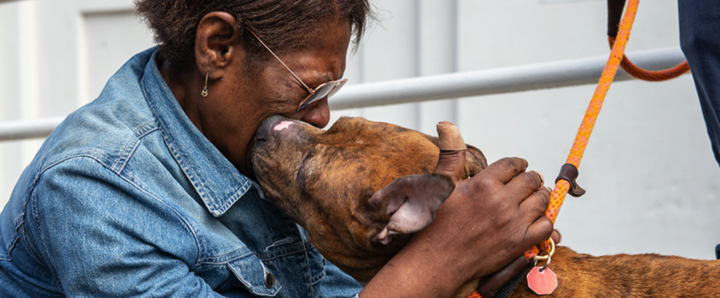 Repeal the Ban in Prince George's CountyThousands of families have been unnecessarily broken apart. This ineffective legislation unfairly targets people and communities of color and it’s time for Prince George’s county to do better for pets and all the people who love them. We believe that all dogs are individuals and that discriminating against dogs because of their breed or appearance is wrong. Responsible dog ownership is the key to promoting public safety and that scapegoating based on myths and biases is always wrong. It is time for our county’s laws to reflect the scientific consensus on this topic: there is no such thing as a dangerous breed of dog. We are county residents, dog lovers, and taxpayers and we are ready for repeal. The public broadly supports repealing the discriminatory ban and we want the council to support it as well.372 of 400 SignaturesCreated by Action Team
 -
 Stop the state of New York from discriminating against dog breedsTwo-thirds of American households include at least one cat or dog, which makes having a pet-inclusive place to call home essential for most Americans. Given the huge demand, one might think there would be enough pet-inclusive housing for renters. Unfortunately, housing-related issues are the second most common reason that families surrender a pet to an animal shelter. These housing issues may pertain to insurance issues, landlord restrictions, or limitations placed on the physical animal. Many rental and government-subsidized housing make it difficult to own a pet. Even properties that are "pet-friendly" might have pet weight limits, such as "no dogs over 25 lbs" or breed restrictions. When families are forced to choose between securing a place to live and keeping their family pets, they may see surrender as a last resort. As a trillion-dollar industry, the housing sector can be a positive influence in creating an inclusive and humane community. Additionally, more than 90% of housing providers and residents agree that pets are an important part of families. Welcoming all pets is good for business because residents stay significantly longer in housing that is pet inclusive (2). Expanding affordable and accessible pet-inclusive housing is necessary to ensure that families don’t have to choose between housing and valued members of their family. Let’s work together to end housing restrictions for pets and their families.173 of 200 SignaturesCreated by Hsiu-Ching T.
 -
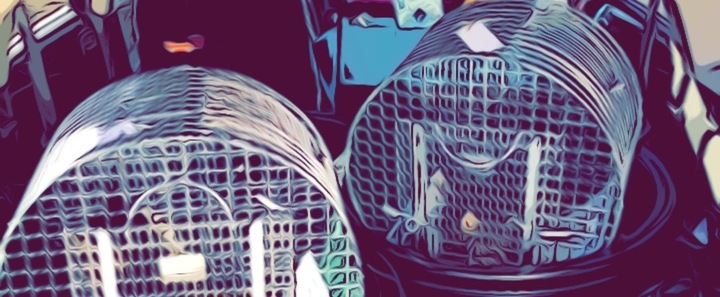 Modernize Bella Vista's Animal Ordinances to reflect TNRCommunity cats (aka stray or free-roaming cats) risk losing their lives simply because they've made a home in the outdoors. In many cases, they are brought to local shelters, where they are unlikely to get adopted because many of them aren't socialized to people. That's where community cat programs come in. These programs use trap-neuter-return (TNR) to save cats. The process is simple: Community cats are trapped, evaluated by veterinarians, vaccinated, spayed or neutered, ear-tipped, and returned to their outdoor homes, unable to have kittens. The people of Bella Vista should not be punished for working to create a healthier community with less free roaming cats. Please stop making volunteers criminals by issuing citations for roaming cats and remove mandatory cat leash laws.283 of 300 SignaturesCreated by Jill G.