-
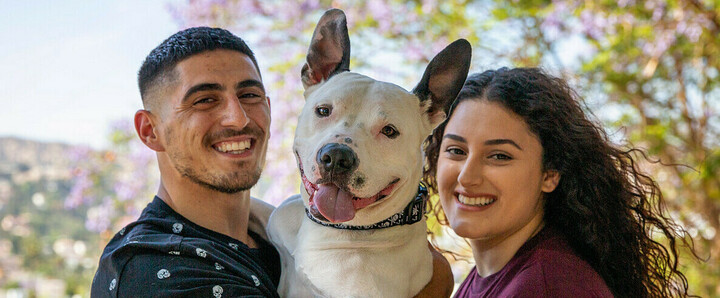 Make Ouachita Parish a Safe, Humane CommunityIn 2021, the Louisiana state legislature passed two humane initiative resolutions [SR 125 and HR 120]. Resolutions are an important way for local government to declare a stance on a particular issue. Through a humane animal resolution, elected officials make a clear statement that they want their community to work towards ending killing in shelters. This helps draw a line in the sand to drive toward the goal of saving the lives of dogs and cats. Now it is time for local parishes to commit their support for pet lifesaving by passing a humane resolution.20 of 100 Signatures
 -
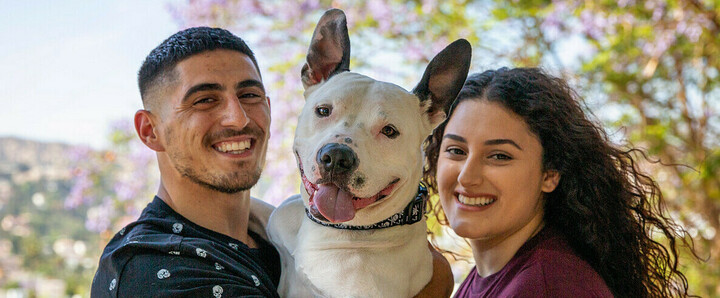 Make Tangipahoa Parish a Safe, Humane CommunityIn 2021, the Louisiana state legislature passed two humane initiative resolutions [SR 125 and HR 120]. Resolutions are an important way for local government to declare a stance on a particular issue. Through a humane animal resolution, elected officials make a clear statement that they want their community to work towards ending killing in shelters. This helps draw a line in the sand to drive toward the goal of saving the lives of dogs and cats. Now it is time for local parishes to commit their support for pet lifesaving by passing a humane resolution.20 of 100 Signatures
 -
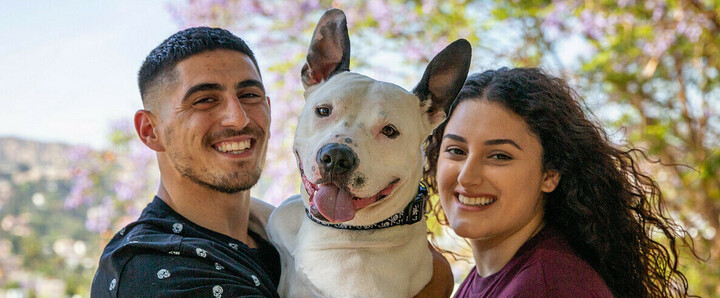 Make Jefferson Parish a Safe, Humane CommunityIn 2021, the Louisiana state legislature passed two humane initiative resolutions [SR 125 and HR 120]. Resolutions are an important way for local government to declare a stance on a particular issue. Through a humane animal resolution, elected officials make a clear statement that they want their community to work towards ending killing in shelters. This helps draw a line in the sand to drive toward the goal of saving the lives of dogs and cats. Now it is time for local parishes to commit their support for pet lifesaving by passing a humane resolution.23 of 100 Signatures
 -
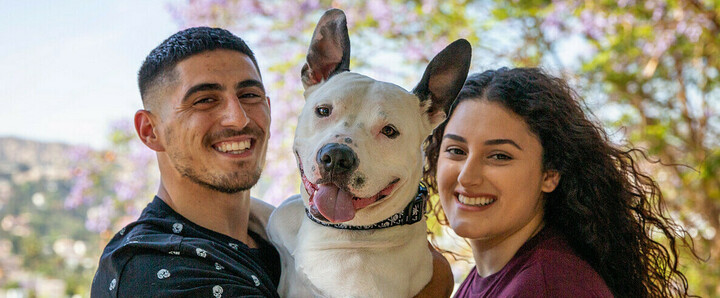 Make Orleans Parish a Safe, Humane CommunityIn 2021, the Louisiana state legislature passed two humane initiative resolutions [SR 125 and HR 120]. Resolutions are an important way for local government to declare a stance on a particular issue. Through a humane animal resolution, elected officials make a clear statement that they want their community to work towards ending killing in shelters. This helps draw a line in the sand to drive toward the goal of saving the lives of dogs and cats. Now it is time for local parishes to commit their support for pet lifesaving by passing a humane resolution.27 of 100 Signatures
 -
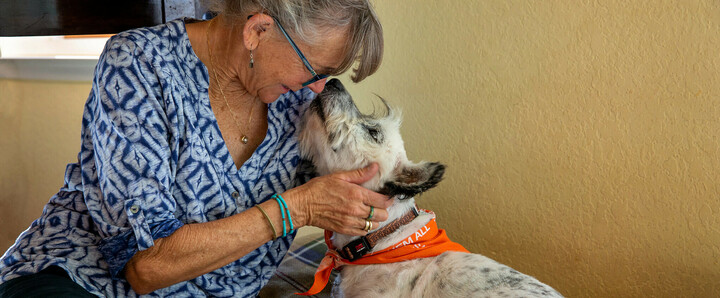 Eliminate burdensome requirements for Illinois foster programsIn July 2021, the Illinois Department of Agriculture (IDOA) published proposed amendments to the state’s Animal Welfare Act. The proposed amendments provide many positive improvements for dogs and cats in Illinois. However, some of the well-meaning amendments would make it difficult for shelters to maintain their foster programs. Shelters, like so many places, are under strain. With pandemic restrictions being reduced or eliminated, many people are traveling or returning to work. That means fostering and adoptions are returning to pre-pandemic levels. We need the state to find the right balance of making fostering less difficult for animal shelters and their volunteers while maintaining a safe environment for the dogs and cats. Help make it better for animal shelters to implement lifesaving foster programs. The deadline for submitting comments is August 30, so please sign and share the petition today.861 of 1,000 SignaturesCreated by Ledy V.
 -
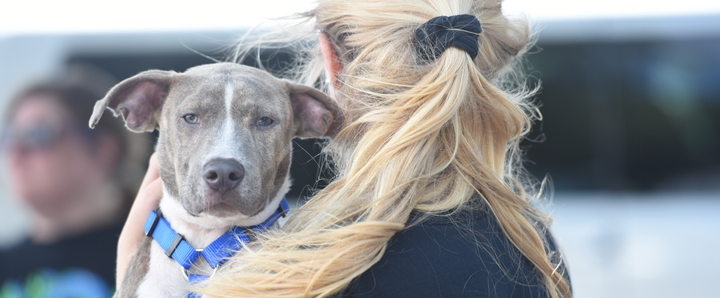 Poner fin a las prácticas de seguros que restringen la raza en IllinoisHay una gran variedad de perros que entran en la categoría de razas "de riesgo" según algunas compañías de seguros, como los bóxers, los schnauzers gigantes, los pastores alemanes, los chows, los gran daneses, los malamutes de Alaska, los staffordshire terrier americanos, los akitas, los corsos de Caña, los bulldogs americanos, los malinois belgas, los keeshonds, los ridgebacks de Rodesia, los ovtcharkas, los huskies siberianos, los dobermans, los pitbulls, los dálmatas, los rottweilers y los perros boyeros australianos, entre otros. La Asociación Nacional de Comisarios de Seguros [NAIC] debería proteger a los consumidores propietarios de mascotas. Las compañías de seguros deberían centrarse en el comportamiento del perro. Los perros con comportamiento agresivo no deberían estar protegidos por ninguna moratoria. Esto es importante porque los perros son vistos por la gran mayoría de los estadounidenses como parte de la familia, y la capacidad de las personas para mantener las familias unidas debe ser protegida. Las prácticas de seguro restrictivas en materia de razas pueden obligar a los propietarios responsables de mascotas a renunciar a ellas y aumentar el número de mascotas en los refugios. La probabilidad de que un perro muerda se basa en muchos factores, como la socialización del perro, el adiestramiento de obediencia, la supervisión proporcionada por el propietario y la forma en que la víctima interactúa con el perro. No se ha demostrado científicamente que el comportamiento agresivo esté presente en ninguna raza de perro en particular. Las compañías de seguros que quieran reducir el riesgo deben centrarse únicamente en el comportamiento del perro y en la conducta del propietario.120 of 200 SignaturesCreated by Caity K.
 -
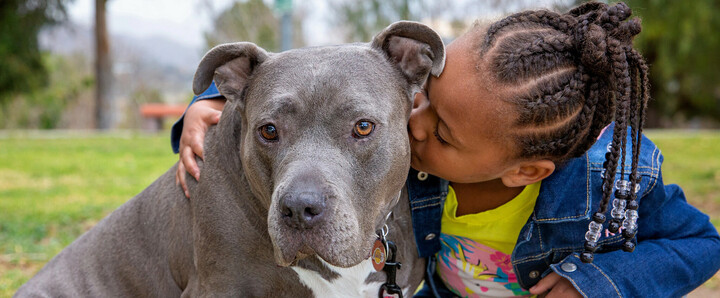 Poner fin a las prácticas de seguros que restringen la raza en ArizonaHay una gran variedad de perros que entran en la categoría de razas "de riesgo" según algunas compañías de seguros, como los bóxers, los schnauzers gigantes, los pastores alemanes, los chows, los gran daneses, los malamutes de Alaska, los staffordshire terrier americanos, los akitas, los corsos de Caña, los bulldogs americanos, los malinois belgas, los keeshonds, los ridgebacks de Rodesia, los ovtcharkas, los huskies siberianos, los dobermans, los pitbulls, los dálmatas, los rottweilers y los perros boyeros australianos, entre otros. La Asociación Nacional de Comisarios de Seguros [NAIC] debería proteger a los consumidores propietarios de mascotas. Las compañías de seguros deberían centrarse en el comportamiento del perro. Los perros con comportamiento agresivo no deberían estar protegidos por ninguna moratoria. Esto es importante porque los perros son vistos por la gran mayoría de los estadounidenses como parte de la familia, y la capacidad de las personas para mantener las familias unidas debe ser protegida. Las prácticas de seguro restrictivas en materia de razas pueden obligar a los propietarios responsables de mascotas a renunciar a ellas y aumentar el número de mascotas en los refugios. La probabilidad de que un perro muerda se basa en muchos factores, como la socialización del perro, el adiestramiento de obediencia, la supervisión proporcionada por el propietario y la forma en que la víctima interactúa con el perro. No se ha demostrado científicamente que el comportamiento agresivo esté presente en ninguna raza de perro en particular. Las compañías de seguros que quieran reducir el riesgo deben centrarse únicamente en el comportamiento del perro y en la conducta del propietario.101 of 200 SignaturesCreated by Caity K.
 -
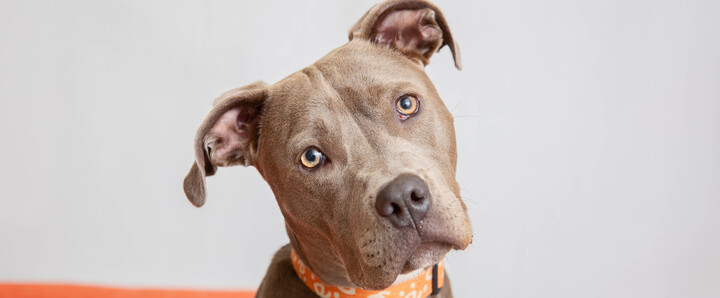 Poner fin a las prácticas de seguros que restringen la raza en FloridaHay una gran variedad de perros que entran en la categoría de razas "de riesgo" según algunas compañías de seguros, como los bóxers, los schnauzers gigantes, los pastores alemanes, los chows, los gran daneses, los malamutes de Alaska, los staffordshire terrier americanos, los akitas, los corsos de Caña, los bulldogs americanos, los malinois belgas, los keeshonds, los ridgebacks de Rodesia, los ovtcharkas, los huskies siberianos, los dobermans, los pitbulls, los dálmatas, los rottweilers y los perros boyeros australianos, entre otros. La Asociación Nacional de Comisarios de Seguros [NAIC] debería proteger a los consumidores propietarios de mascotas. Las compañías de seguros deberían centrarse en el comportamiento del perro. Los perros con comportamiento agresivo no deberían estar protegidos por ninguna moratoria. Esto es importante porque los perros son vistos por la gran mayoría de los estadounidenses como parte de la familia, y la capacidad de las personas para mantener las familias unidas debe ser protegida. Las prácticas de seguro restrictivas en materia de razas pueden obligar a los propietarios responsables de mascotas a renunciar a ellas y aumentar el número de mascotas en los refugios. La probabilidad de que un perro muerda se basa en muchos factores, como la socialización del perro, el adiestramiento de obediencia, la supervisión proporcionada por el propietario y la forma en que la víctima interactúa con el perro. No se ha demostrado científicamente que el comportamiento agresivo esté presente en ninguna raza de perro en particular. Las compañías de seguros que quieran reducir el riesgo deben centrarse únicamente en el comportamiento del perro y en la conducta del propietario.144 of 200 SignaturesCreated by Caity K.
 -
 Poner fin a las prácticas de seguros que restringen la raza en TexasHay una gran variedad de perros que entran en la categoría de razas "de riesgo" según algunas compañías de seguros, como los bóxers, los schnauzers gigantes, los pastores alemanes, los chows, los gran daneses, los malamutes de Alaska, los staffordshire terrier americanos, los akitas, los corsos de Caña, los bulldogs americanos, los malinois belgas, los keeshonds, los ridgebacks de Rodesia, los ovtcharkas, los huskies siberianos, los dobermans, los pitbulls, los dálmatas, los rottweilers y los perros boyeros australianos, entre otros. La Asociación Nacional de Comisarios de Seguros [NAIC] debería proteger a los consumidores propietarios de mascotas. Las compañías de seguros deberían centrarse en el comportamiento del perro. Los perros con comportamiento agresivo no deberían estar protegidos por ninguna moratoria. Esto es importante porque los perros son vistos por la gran mayoría de los estadounidenses como parte de la familia, y la capacidad de las personas para mantener las familias unidas debe ser protegida. Las prácticas de seguro restrictivas en materia de razas pueden obligar a los propietarios responsables de mascotas a renunciar a ellas y aumentar el número de mascotas en los refugios. La probabilidad de que un perro muerda se basa en muchos factores, como la socialización del perro, el adiestramiento de obediencia, la supervisión proporcionada por el propietario y la forma en que la víctima interactúa con el perro. No se ha demostrado científicamente que el comportamiento agresivo esté presente en ninguna raza de perro en particular. Las compañías de seguros que quieran reducir el riesgo deben centrarse únicamente en el comportamiento del perro y en la conducta del propietario.113 of 200 SignaturesCreated by Caity K.
 -
 Poner fin a las prácticas de seguros que restringen la raza en CaliforniaHay una gran variedad de perros que entran en la categoría de razas "de riesgo" según algunas compañías de seguros, como los bóxers, los schnauzers gigantes, los pastores alemanes, los chows, los gran daneses, los malamutes de Alaska, los staffordshire terrier americanos, los akitas, los corsos de Caña, los bulldogs americanos, los malinois belgas, los keeshonds, los ridgebacks de Rodesia, los ovtcharkas, los huskies siberianos, los dobermans, los pitbulls, los dálmatas, los rottweilers y los perros boyeros australianos, entre otros. La Asociación Nacional de Comisarios de Seguros [NAIC] debería proteger a los consumidores propietarios de mascotas. Las compañías de seguros deberían centrarse en el comportamiento del perro. Los perros con comportamiento agresivo no deberían estar protegidos por ninguna moratoria. Esto es importante porque los perros son vistos por la gran mayoría de los estadounidenses como parte de la familia, y la capacidad de las personas para mantener las familias unidas debe ser protegida. Las prácticas de seguro restrictivas en materia de razas pueden obligar a los propietarios responsables de mascotas a renunciar a ellas y aumentar el número de mascotas en los refugios. La probabilidad de que un perro muerda se basa en muchos factores, como la socialización del perro, el adiestramiento de obediencia, la supervisión proporcionada por el propietario y la forma en que la víctima interactúa con el perro. No se ha demostrado científicamente que el comportamiento agresivo esté presente en ninguna raza de perro en particular. Las compañías de seguros que quieran reducir el riesgo deben centrarse únicamente en el comportamiento del perro y en la conducta del propietario.137 of 200 SignaturesCreated by Caity K.
 -
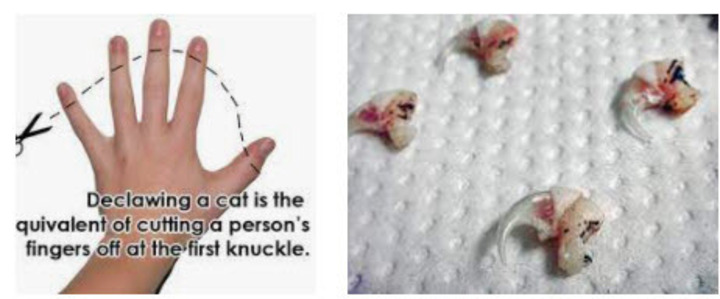 Ban the declawing of cats in Long Beach, CAPeople often mistakenly believe that declawing their cats is a harmless "quick fix" for unwanted scratching. They don't realize that declawing can make a cat less likely to use the litter box or more likely to bite. Declawing can also cause lasting physical problems and lead to the cat being surrendered to a shelter due to behavioral or health issues. Too often, people think that declawing is a simple surgery that removes a cat's nails—the equivalent of having your fingernails trimmed. Sadly, this is far from the truth. Declawing traditionally involves the amputation of the last bone of each toe. If performed on a human being, it would be like cutting off each finger at the last knuckle. The American Veterinary Medicine Association discourages declawing as an elective procedure and supports non-surgical alternatives. It is an unnecessary surgery that provides no medical benefit to the cat. Educated pet parents can easily train their cats to use their claws in a manner that allows everyone in the household to live together happily. In 2003, West Hollywood became the first city in the country to ban declawing. Since then, cities such as Berkeley, Beverly Hills, Burbank, Culver City, Los Angeles, San Francisco, and Santa Monica have joined them. New York has a statewide ban. Isn't it time for Long Beach to do the right thing for cats and ban declawing?256 of 300 SignaturesCreated by Aostara K.
 -
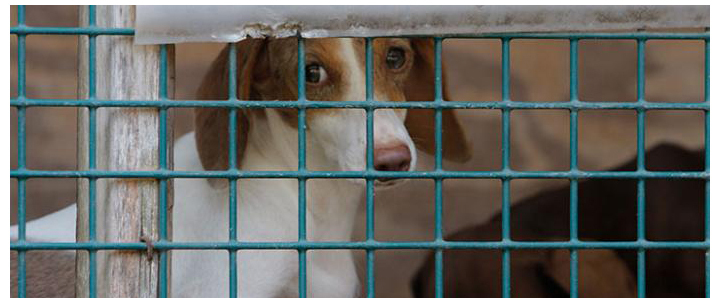 Prevent Puppy Mill Sales in KaysvilleMore than 400 other cities, counties and states have already passed laws to ban the retail sale of pets sourced from commercial breeding facilities. It's time for our community to do the same. Puppy and kitten mills are in business to supply pet stores. The pets in these facilities often spend their entire lives in dirty, crowded cages for the sole purpose of producing as many animals as possible for the retail pet trade. Pet stores that obtain animals from these facilities are not an asset to our city. These facilities also produce puppies that are often sick, causing unsuspecting consumers to have to care for a new pet in need of expensive veterinary treatment. Milled puppies can also spread campylobacter, a dangerous, drug-resistant bacteria that is contagious to humans. Recently, the Centers for Disease Control and Prevention (CDC) traced a multi-state outbreak of Campylobacter to pet store puppies. This is a public health risk in a time where public health should be a top priority. A retail pet sales ban will not prevent pet stores from doing business, but it will reduce the burden on our shelters and rescue groups by increasing pet adoptions. It will also benefit our local hobby breeders by allowing them to continue providing responsibly bred animals directly to those who cannot find what they are looking for through adoption. Please consider passing a humane pet store ordinance for our community.341 of 400 SignaturesCreated by Amy M.