-
 TNR Program for Devore Animal ShelterIn order to create compassionate no-kill communities and achieve no-kill for cats nationwide, we need communities to support lifesaving programs like Trap-Neuter-Return [TNR]. The process is simple: cats are caught (often by volunteers), evaluated by veterinarians, vaccinated, spayed or neutered, and returned to their original outdoor homes, unable to have kittens. These programs are also proven to be the most cost-effective, veterinarian-approved, and animal-friendly solution for controlling and reducing free-roaming cat populations.719 of 800 SignaturesCreated by Arely M.
 -
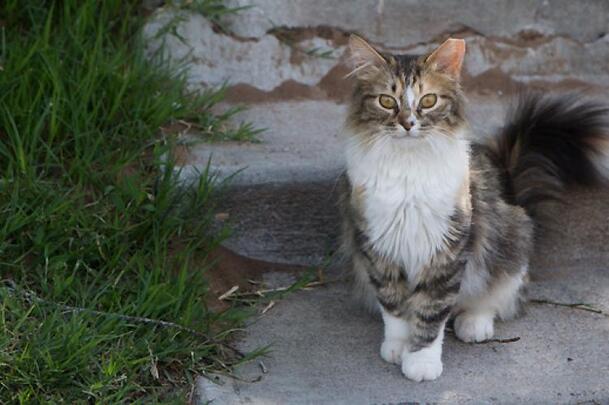 Saving Cats in Our Community [La Porte, Texas]In order to create compassionate no-kill communities and achieve no-kill for cats nationwide, we need communities to support lifesaving programs like Trap-Neuter-Return [TNR]. The process is simple: cats are caught (often by volunteers), evaluated by veterinarians, vaccinated, spayed or neutered, and returned to their original outdoor homes, unable to have kittens. These programs are also proven to be the most cost-effective, veterinarian-approved, and animal-friendly solution for controlling and reducing free-roaming cat populations.99 of 100 SignaturesCreated by Irene A.
 -
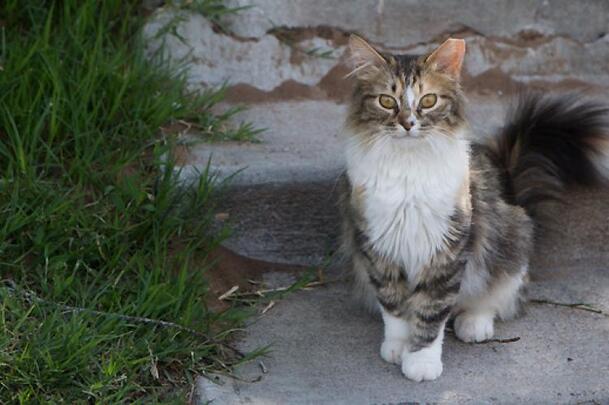 Saving Cats in Our CommunityIn order to create compassionate no-kill communities and achieve no-kill for cats nationwide, we need communities to support lifesaving programs like Trap-Neuter-Return [TNR]. The process is simple: cats are caught (often by volunteers), evaluated by veterinarians, vaccinated, spayed or neutered, and returned to their original outdoor homes, unable to have kittens. These programs are also proven to be the most cost-effective, veterinarian-approved, and animal-friendly solution for controlling and reducing free-roaming cat populations.170 of 200 SignaturesCreated by Meredith C.
 -
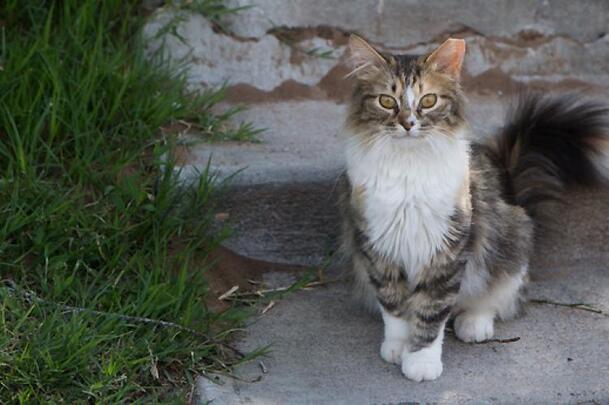 Saving Cats Get TNR in Brenham and Washington Co.In order to create compassionate no-kill communities and achieve no-kill for cats nationwide, we need communities to support lifesaving programs like Trap-Neuter-Return [TNR]. The process is simple: cats are caught (often by volunteers), evaluated by veterinarians, vaccinated, spayed or neutered, and returned to their original outdoor homes, unable to have kittens. These programs are also proven to be the most cost-effective, veterinarian-approved, and animal-friendly solution for controlling and reducing free-roaming cat populations.254 of 300 SignaturesCreated by Maria S.
 -
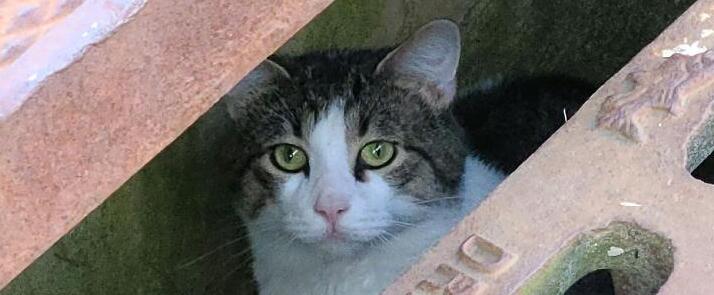 Burlington County: Support our Cats, Support Trap-Neuter-ReturnEach township in New Jersey sets their own rules and regulations about what is allowed and not allowed in their township, including how community/stray cats are managed. The townships of Burlington, Chesterfield, Delanco, Edgewater Park, Florence, Mansfield, Medford Lakes, New Hanover, Palmyra, Pemberton Borough, Riverton and Willingboro do not currently allow for stray cat management through trap-neuter-vaccinate-return. Every township should allow for humane, safe, and cost-effective management of stray cats that is known to be effective at controlling the cat population. Township leaders need to hear from you, their constituents, that this matters to you and your community. Sign the petition and add your township so we can let each township committee know this change is needed and wanted. Resources: https://www.felineresearch.org/post/issue-brief-what-to-do-with-feral-cats-examining-tnr821 of 1,000 SignaturesCreated by Friends of the Burlington County Animal Shelter ".
-
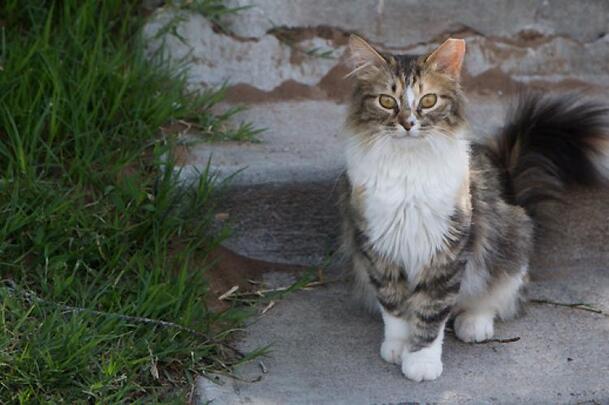 Saving Cats in Our Community - [Des Arc, Arkansas]In order to create compassionate no-kill communities and achieve no-kill for cats nationwide, we need communities to support lifesaving programs like Trap-Neuter-Return [TNR]. The process is simple: cats are caught (often by volunteers), evaluated by veterinarians, vaccinated, spayed or neutered, and returned to their original outdoor homes, unable to have kittens. These programs are also proven to be the most cost-effective, veterinarian-approved, and animal-friendly solution for controlling and reducing free-roaming cat populations.286 of 300 SignaturesCreated by Amy P.
 -
 Save Our Community Cats in Chillicothe, MOAre you saddened, annoyed, frustrated to see so many stray, community cats in your neighborhood and town? Spaying , Neutering, vaccinating and releasing these community cats back into their area, with support to those that care for them, is the long term solution to the cat over population problem. What’s in it for our community? Over time, these cats that are spay, neutered and vaccinated, have been a proven solution to lowering the numbers over time. Not only that, but the many frustrations of behaviors from unaltered cats such as mate calling, spraying, multiple litters, cats getting into trash and cats roaming into your neighborhood are solved by spaying, neutering and vaccinating the local cat population. For many years communities have trapped and killed these defenseless community cats to only still see cat populations grow. Spaying/neutering and keeping the cats in their neighborhood, keeps other non altered cats from entering the neighborhoods. This way only altered less nuisance cats are the ones you will see. The ones that will not be causing all the nuisance of not being altered. And over time it is proven that cat populations lower significantly. Let’s be the solution not the problem. Using the community money to spay/neuter and vaccinate unaltered cats is what solves the problem, not spending money to trap and kill them. Not trapping and taking to the local shelter where that space is needed for cats that are seriously in need such as injuries. Your support in this campaign is vital to the health and wellness of the community. Thank you!94 of 100 SignaturesCreated by Allisha E.
 -
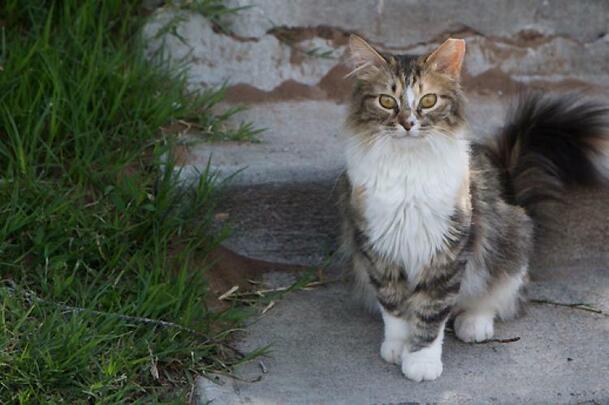 Saving Cats in Our Community - Clare County MichiganIn order to create compassionate no-kill communities and achieve no-kill for cats nationwide, we need communities to support lifesaving programs like Trap-Neuter-Return [TNR]. The process is simple: cats are caught (often by volunteers), evaluated by veterinarians, vaccinated, spayed or neutered, and returned to their original outdoor homes, unable to have kittens. These programs are also proven to be the most cost-effective, veterinarian-approved, and animal-friendly solution for controlling and reducing free-roaming cat populations.120 of 200 SignaturesCreated by Erika E.
 -
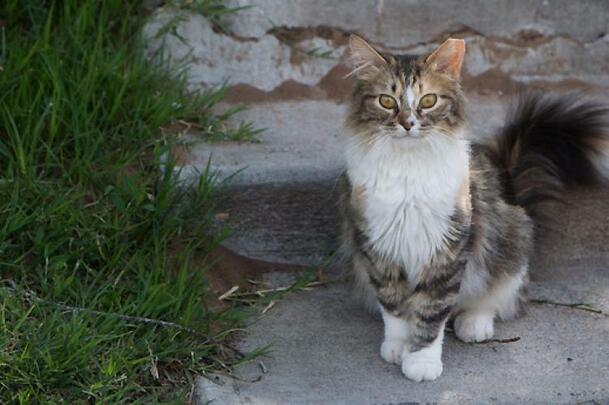 Saving Cats in Our CommunityIn order to create compassionate no-kill communities and achieve no-kill for cats nationwide, we need communities to support lifesaving programs like Trap-Neuter-Return [TNR]. The process is simple: cats are caught (often by volunteers), evaluated by veterinarians, vaccinated, spayed or neutered, and returned to their original outdoor homes, unable to have kittens. These programs are also proven to be the most cost-effective, veterinarian-approved, and animal-friendly solution for controlling and reducing free-roaming cat populations.103 of 200 SignaturesCreated by Jennifer G.
 -
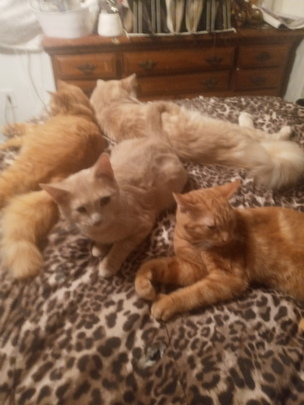 Saving Cats in Our CommunityIn order to create compassionate no-kill communities and achieve no-kill for cats nationwide, we need communities to support lifesaving programs like Trap-Neuter-Return [TNR]. The process is simple: cats are caught (often by volunteers), evaluated by veterinarians, vaccinated, spayed or neutered, and returned to their original outdoor homes, unable to have kittens. These programs are also proven to be the most cost-effective, veterinarian-approved, and animal-friendly solution for controlling and reducing free-roaming cat populations.171 of 200 SignaturesCreated by Angie L.
-
 Helping Community Cats in Bullhead CityWe Care for Animals was founded in 2016 with the experience and knowledge that Trap-Neuter-Return is the only humane and solid solution to lower the population of Community Cats, not only are they sterilized they are vaccinated and receive a health check.161 of 200 SignaturesCreated by Rebecca S.
 -
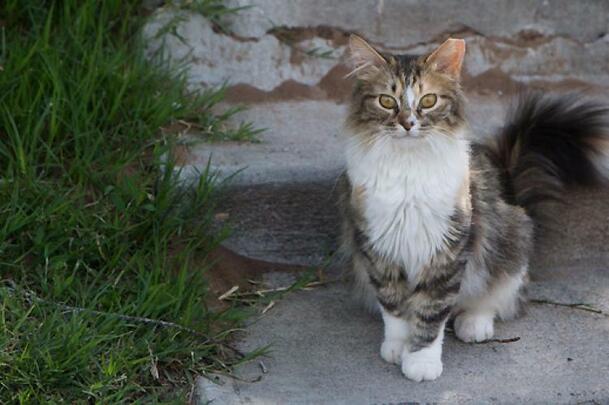 Save Cats in the BronxIn order to create compassionate no-kill communities and achieve no-kill for cats nationwide, we need communities to support lifesaving programs like Trap-Neuter-Return [TNR]. The process is simple: cats are caught (often by volunteers), evaluated by veterinarians, vaccinated, spayed or neutered, and returned to their original outdoor homes, unable to have kittens. These programs are also proven to be the most cost-effective, veterinarian-approved, and animal-friendly solution for controlling and reducing free-roaming cat populations.411 of 500 SignaturesCreated by Briara M.